-
IP Litigation I Day One: Monday, 14 Sep, 20268:00am - 9:00amRegistration Begins For IP Litigation 20269:00am - 9:10amChair’s Introduction to Trade Secret Legal Protection
A Decade of the DTSA - Lessons For the Next Phase of Trade Secret Protection
2026 marks the tenth anniversary of the enactment of the Defend Trade Secrets Act (DTSA), a landmark act that has brought previously unseen legal recognition and protection of trade secrets within the US. This keynote session will reflect on the progress made over the past ten years, key court decisions that continue to change the direction of trade secret legal protection, and predictions on how trade secret legal protection may continue to evolve.
Time:9:10am - 9:30amAgenda Track No.:Track 1Session Type:KeynoteForce Inline Description:0Regulatory Disclosure and Trade Secrets: When Compliance Creates Leakage Risk
Regulatory and government disclosure obligations increasingly require companies to submit highly sensitive technical and commercial information that would otherwise qualify as trade secrets. Join this session to find out how in-house teams manage regulatory compliance without undermining future trade secret protection or litigation position.
- Understand where US regulatory disclosures most commonly weaken trade secret claims, including FDA filings, cybersecurity reporting, and other mandatory submissions.
- Learn how FOIA and government access risks are assessed in practice, and what courts look for when companies argue information remained confidential after disclosure.
- Identify procurement and government contracting disclosures that can compromise trade secret protection, and how to mitigate those risks upfront.
- Take away practical strategies for structuring regulatory submissions to preserve trade secret status and support reasonable-measures arguments in future disputes.
Speaker(s):
Kim Jessum
Chief IP CounselHeraeus
Matt Murphy
PartnerAxinn Veltrop & Harkrider LLPTime:9:30am - 10:15amAgenda Track No.:Track 1Session Type:General Session (Presentation)Force Inline Description:0Reverse Engineering and Trade Secret Misappropriation: Where Courts are Drawing the Line
Recent decisions show courts putting reverse engineering defences under the spotlight –
increasingly scrutinising how information is obtained, how AI tools are used, and whether access or contractual restrictions were breached. This session brings together a panel of in-house counsel, litigators, and technical experts to explore when reverse engineering defences are useful in practice, and what this means for enforcement and defence strategies.- When reverse engineering is treated as lawful versus when courts view it as a cover for misappropriation.
- How courts assess claims of independent development and “clean room” processes in practice.
- The growing importance of contractual restrictions, product terms, and access controls.
- Lessons from recent disputes where reverse engineering arguments failed due to evidence of prior access or employee movement.
- Practical steps companies are taking to protect against reverse engineering without over-claiming secrecy.
Speaker(s):
Clint Morrison
PartnerPatterson Belknap Webb & Tyler LLPClint Morrison is a commercial litigator, trial lawyer, and problem solver. A magna cum laude graduate of Harvard Law School who clerked on the U.S. Court of Appeals for the Second Circuit and a former actor who previously worked at a government relations and public affairs firm, Clint brings a unique perspective to his work helping clients find creative, effective solutions to their most complex and consequential challenges.
Clint has extensive trial experience in federal and state courts throughout the country. Last year alone, Clint played a key role in two trial wins: a $2 billion jury verdict in a high-profile trade secrets case between two software companies (the largest verdict in the history of the State of Virginia), and a victory for client Howard University in a bench trial in the Southern District of New York establishing the University’s superior claim of title to a historically significantly work by the renowned artist Charles White.
Clint focuses on complex commercial litigation and litigates cases involving trade secrets and intellectual property, contractual and business disputes, false advertising and unfair competition, and whistleblower claims under the False Claims Act. Clint also maintains an active high-stakes art law practice.
Clint’s approach is to unpack the intellectual legal and factual puzzles in every case, identify the key themes and narratives underlying each dispute, and navigate each stage of a litigation with an eye towards building a compelling, winning case before a judge or jury.
Clint was named to the 2023 and 2024 editions of Best Lawyers®: Ones to Watch, which recognizes outstanding professional excellence in private practice by attorneys who have typically been in practice for up to 10 years. He currently serves as the Secretary of the Federal Bar Council’s Public Service Committee.

Carl Alexander Dinges
PartnerBonabry
Eda Stark
Global IP Transactions & Litigation Managing CounselOlympus
Jim Pooley
Indpedent attorneyJames Pooley PLC
Victoria Cundiff
Adjunct ProfessorUniversity of Pennsylvania Carey Law SchoolTime:10:15am – 11:00amAgenda Track No.:Track 1Session Type:General Session (Presentation)Force Inline Description:011:00am - 11:30amNetworking BreakFireside: Arbitration, Federal Court, or Criminal Referral: Choosing The Right Response to Trade Secret Theft
When trade secrets are misappropriated, companies face an early decision that can define the entire outcome of a dispute: whether to pursue civil litigation, seek arbitration, or involve the Department of Justice. This fireside session is led by a senior DOJ official and focuses on how these decisions are made in practice, including what the DOJ looks for when assessing potential trade secret cases and how those considerations should shape in-house strategy from day one.
- How DOJ evaluates trade secret theft referrals, including evidence quality, victim cooperation, and jurisdictional factors.
- When arbitration or civil litigation may be more effective than criminal referral.
- Cost, disclosure, and control trade-offs across arbitration, court proceedings, and DOJ involvement.
- How early choices affect leverage, timing, and the ability to pursue parallel proceedings.
Speaker(s):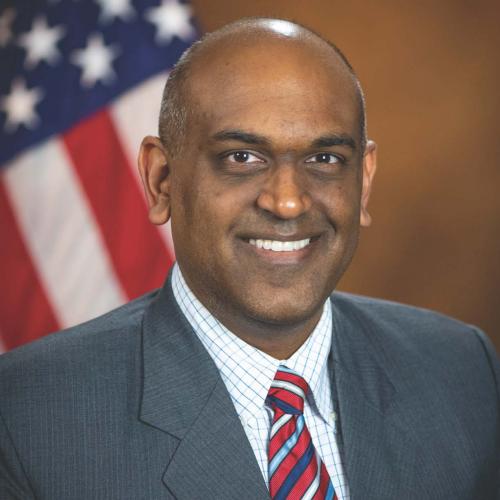
Anand Patel
Senior CounselDOJ (Department of Justice)Anand B. Patel is Senior Counsel in the Computer Crime and Intellectual Property Section at the Department of Justice. He investigates and prosecutes trade secrets theft, ransomware attacks, and computer intrusions. Mr. Patel teaches Trade Secrets Law at the George Washington University Law School. Before joining the Department, Mr. Patel spent a decade as an attorney at Paul Hastings LLP, where he handled all facets of disputes involving trade secrets. He previously served as law clerk to the Honorable William Bryson of the U.S. Court of Appeals for the Federal Circuit. Mr. Patel graduated from UVA School of Law and MIT.
Time:11:30am – 12:00pmAgenda Track No.:Track 1Session Type:General Session (Presentation)Force Inline Description:0Expanding Trade Secret Portfolios: Protection Across the Business
Trade secrets now sit far beyond R&D and the legal team. They run through data systems, manufacturing processes, vendor relationships, AI tools, and everyday employee workflows. As a result, effective trade secret protection increasingly depends on coordination between legal, HR, IT, security, engineering, and operations. This session focuses on how companies are adapting their internal structures to protect trade secrets as they spread across the organisation.
- Why trade secrets are no longer confined to technical teams or formal IP portfolios.
- How data systems, collaboration tools, and AI are expanding where trade secrets live.
- The role of HR, IT, security, and operations in supporting trade secret protection.
- Practical examples of cross-functional models that improve protection without slowing the business.
Speaker(s):
Doyon Won
Senior CounselIntellia Therapeutics Inc
Greg Penoyer
Lead Product Counsel – Tech, IP and Supply ChainSimpliSafeTime:12:00pm – 12:45pmAgenda Track No.:Track 1Session Type:General Session (Presentation)Force Inline Description:012:45pm - 13:45pmNetworking LunchHow Does Trade Secret Litigation Impact U.S. Companies Beyond the Courtroom?
Beyond legal risk, trade secret disputes can result in catastrophic knock-on effects throughout a business: they can disrupt operations, drain technical teams, and affect investor confidence for years. This fireside chat looks at how in-house teams manage trade secret litigation when the stakes extend far beyond the courtroom.
- How litigation strategy changes when trade secret disputes become ‘bet-the-business’ matters.
- Managing discovery scope, technical witness fatigue, and internal disruption over multi-year disputes.
- Navigating investor relations, disclosure obligations, and activist pressure during ongoing litigation.
- Decision-making around settlement, arbitration, or escalation when business survival is at stake.
Speaker(s):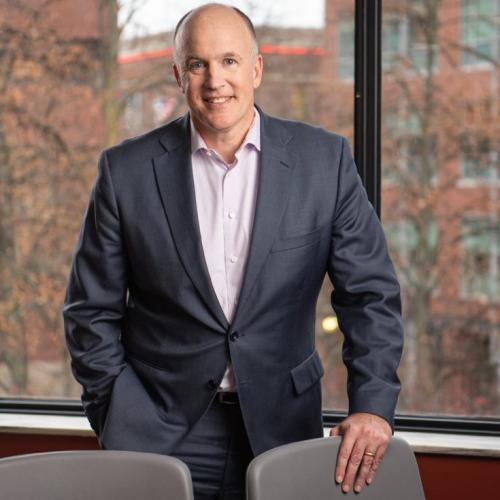
Brian Walters
Executive Vice President and General CounselMatthews InternationalBrian D. Walters serves as Executive Vice-President and General Counsel for Matthews International Corporation, Pittsburgh’s oldest company in continuous operation since 1850 and operating in over 25 countries with over 12,000 employees. During his 18-year tenure at Matthews, the Company has more than tripled in annual revenue, now producing approximately $1.8 billion in sales. Brian has directed all legal matters for this publicly-traded corporation both nationally and internationally, as well as serving as a member of Matthews’ executive leadership team. Mr. Walters has led over 75 domestic and foreign acquisition initiatives at Matthews, including extensive experience coordinating strategies to secure transaction approval from the U.S. Federal Trade Commission, managing HSR filings, as well as filings with the competition authority of the European Union.

Rob Rodrigues
PartnerRNA law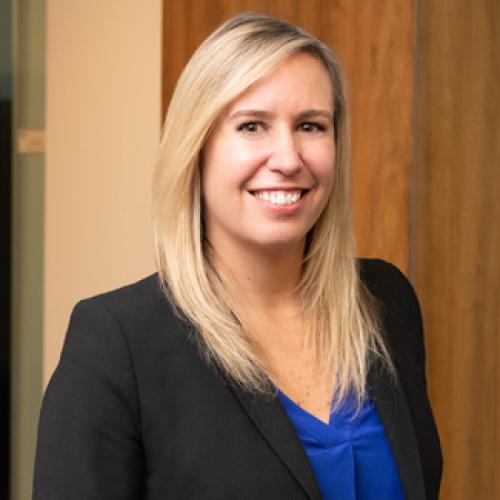
Sheryl Garko
PartnerOrrick, Herrington & SutcliffeTime:14:30pm - 15:15pmAgenda Track No.:Track 1Session Type:General Session (Presentation)Force Inline Description:0Strategic Collaborations: Managing Trade Secret Risk Across the Lifecycle of a Deal
Strategic collaborations are increasingly central to innovation, particularly in life sciences and technology, where companies rely on partnerships for research, development, and manufacturing. This session explores the trade secret considerations that arise across the full lifecycle of a collaboration, from early discussions and deal negotiation to active partnerships and potential disputes.
- Trade secret strategy during early deal exploration and negotiating terms that protect the ownership of know-how, confidentiality obligations, and information access.
- Offensive and defensive considerations when collaborations lead to litigation or misappropriation claims.
- Managing trade secrets during active collaborations such as joint R&D, licensing, or manufacturing partnerships.
- Trade secret risks when collaborations fail, including “busted deals,” employee mobility, and disputes over the use of shared know-how.
Speaker(s):
Carole Boelitz
VP, Global IPSchneider ElectricTime:13:45pm - 14:30pmAgenda Track No.:Track 1Session Type:General Session (Presentation)Force Inline Description:0M&A and Employee Mobility: Avoiding the Loss of Trade Secrets During Acquisitions
Mergers and acquisition bring about profound risk for the loss or theft of proprietary information, with he added complications of uncatalogued trade secrets and departing employees with deep process knowledge only increasing these risks. This session will discuss practical strategies that in-house teams are implementing to mitigate these risks and allow for smooth M&A proceedings.
- Integration of M&A systems to prevent risk during acquisition, and balance restrictive covenants.
- How to mitigate the risk posed by departing employees with deep process knowledge.
- Balancing enforcement with workforce mobility and ensuring that morale and professionality is maintained.
- Strategies for joint development M&A.
Speaker(s):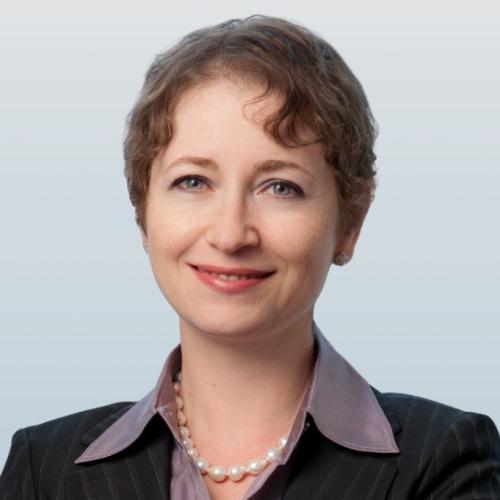
Lana Gladstein
General CounselSeaport TherapeuticsLana Gladstein currently works as a General Counsel for Seaport Therapeutics. She previously worked at APRINOIA Therapeutics as a Group General Counsel. Lana Gladstein attended Northeastern University School of Law.

Jim Gale
IP Litigation Co-ChairCozen O'ConnorTime:15:15pm - 16:00pmAgenda Track No.:Track 1Session Type:General Session (Presentation)Force Inline Description:016:00pm – 16:45pmNetworking Break16:45pm – 18:15pmRoundtablesBuilding a Litigation-Ready Trade Secret Record Before a Dispute
Trade secret cases are often won or lost on contemporaneous evidence. This roundtable focuses on how companies build defensible records before any misappropriation is suspected.
Speaker(s):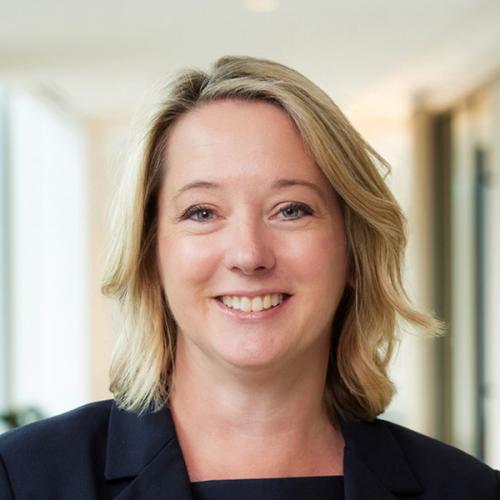
Barbara Fiacco
PartnerFoley Hoag LLPSession Type:WorkshopForce Inline Description:0Trade Secrets in Distributed Manufacturing & Vendor Ecosystems
As manufacturing, R&D, and services become increasingly outsourced, companies face heightened leakage risk outside their four walls. This roundtable examines how in-house teams protect trade secrets across complex vendor networks.
Session Type:WorkshopForce Inline Description:0Employee Mobility Management Strategies
Employee movement is the most common trigger for trade secret disputes. This roundtable explores how companies balance protection, culture, and retention in high-mobility environments.
Speaker(s):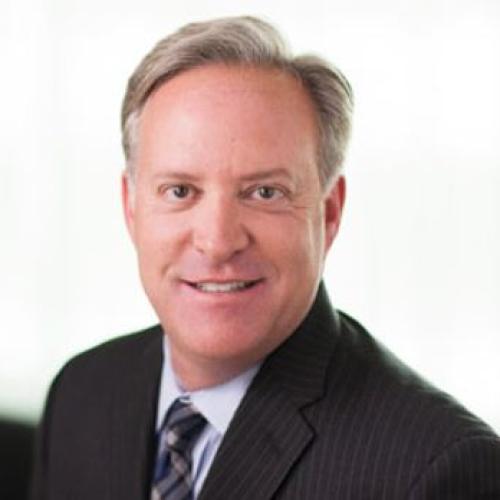
Barry Golob
Co-ChairCozen O’ConnorSession Type:WorkshopForce Inline Description:0Data Loss Prevention in Practice: What Dlp Tools Really Deliver
As demands on trade secret teams grow, relying on integrated IP protection systems, such as DLPs, becomes ever more important. This roundtable focuses on the real-world application of these tools.
Session Type:WorkshopForce Inline Description:0Trade Secret Law and Enforcement in India: Practical Update for Global Litigation Strategies
India plays a growing role in global R&D, manufacturing, and data processing, yet trade secret protection remains largely contract based. This roundtable provides a practical, enforcement-focused update for multinational legal teams.
Session Type:WorkshopForce Inline Description:0Cataloguing Review: To List or Not to List, or is There a Third Option?
The dilemma of whether to list trade secrets continues, with the challenge of balancing litigation readiness with operational burden increasing. This roundtable provides a pragmatic discussion of when to list, when not to, and when a hybrid model may be most effective.
Speaker(s):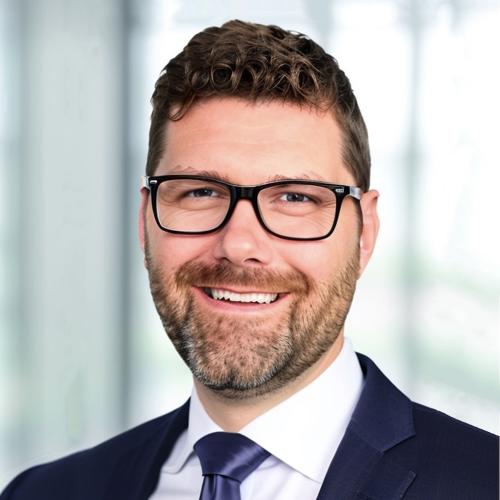
David Soucy
Sr. IP Counsel, Global Lead Patent CounselSimpliSafeDavid Soucy is Sr. IP Counsel and Global Lead Patent Counsel at SimpliSafe. David is an accomplished attorney with several years of experience handling a variety of technology and intellectual property law matters. Throughout his career, he has been dedicated to driving innovation, protecting intangible property, and supporting business growth through strategic management of IP assets.
Having held various roles in both late startups and mature operating companies, David has honed his expertise in patent prosecution, litigation, and client counseling. His professional journey has taken him from overhauling submarines as an engineer with the Department of the Navy to representing Fortune 100 clients in private practice to now serving as a Lead Global Patent Counsel where he develops and implements corporate IP strategies.
Before joining SimpliSafe, David influenced and drove IP strategies at a Fortune 1000 publicly traded technology company. There, he managed an extensive worldwide patent portfolio and streamlined IP management systems to enhance efficiency and augment protections. Due in part to his efforts, the company was recognized by the Intellectual Property Owners Association as one of the top 300 companies for granted U.S. patents.
David holds a Juris Doctorate from the University of New Hampshire Franklin Pierce School of Law and a Bachelor of Science in Mechanical Engineering from the University of New Hampshire. He is admitted to the State Bar of New Hampshire and licensed to practice before the United States Patent and Trademark Office.
Session Type:WorkshopForce Inline Description:018:15pm – 18:20pmChair Closes Day 118:20pm – 19:45pmNetworking Drinks -
IP Litigation I Day Two: Tuesday, 15 Sep, 20268:00am – 9:00amRegistration08:15am – 09:00am
Breakfast Workshop: AI Strategy: Practical Uses of AI For IP Teams
This session will explore how to use AI tools to increase productivity, whilst mitigating any risks that may arise. Leading litigators and in-house counsels will explore how in-house teams are implementing AI tools to increase productivity and streamline processes, including the use of internal LLMs, e-discovery tools, patent drafting and trade secret cataloguing tools.
Speaker(s):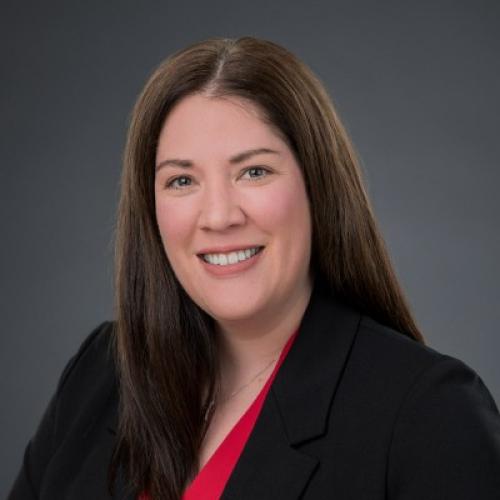
Catherine Pray
Senior DirectorIntrepidExSession Type:WorkshopForce Inline Description:0Chair’s Recap of Day 1 and Welcome to Trade Secret Legal Protection Day 2
Time:09:00am - 09:10amAgenda Track No.:Track 1Session Type:General Session (Presentation)Force Inline Description:0Chair’s Introduction to Pharma & Biotech Patent Litigation
Time:09:00am - 09:10amAgenda Track No.:Track 3Session Type:General Session (Presentation)Force Inline Description:0Judge’s Review: What Courts are Accepting and What They’re Pushing Back On
A concise review of recent US trade secret decisions that are shaping how courts assess reasonable measures, access, and remedies. This session brings together judges from key US jurisdictions to discuss the evolving expectations and outcomes from the most influential recent trade secret cases.
Speaker(s):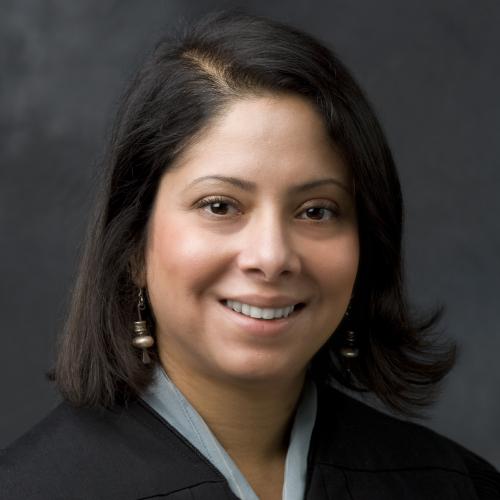
Cathy Bissoon
Honorable JudgeU.S. District Court, Western District Of Pennsylvania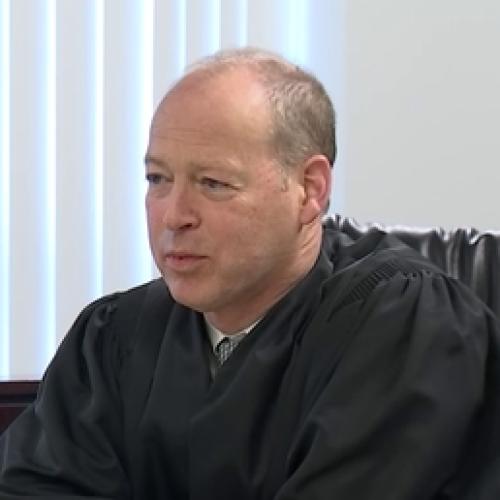
Christopher K. Barry-Smith
Honorable JudgeState of Massachusetts Superior Court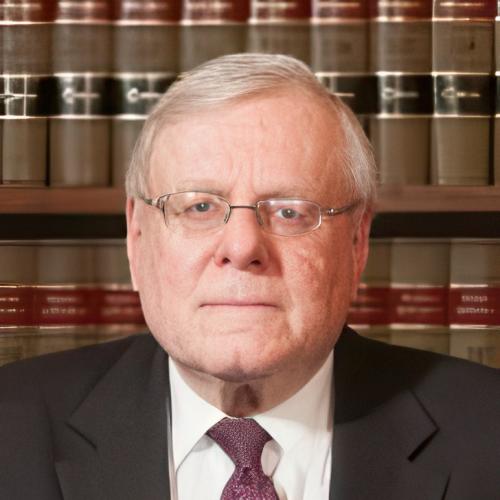
William Young
Honorable JudgeU.S. District Court, District of MassachusettsTime:09:10am - 09:55amAgenda Track No.:Track 1Session Type:PanelForce Inline Description:0Litigation Leadership: Pharma & Biotech Patent Litigation Strategy in 2026
This session brings together senior in-house patent litigators involved in some of the most influential recent pharma and biotech cases, to examine how life sciences litigation strategy is shifting and what in-house teams should be preparing for next.
- Review key cases and court decisions from the past year, and what they reveal about where pharma and biotech patent litigation is evolving.
- How PTAB procedural developments are changing risk assessment, sequencing, and settlement strategy.
- Review venue selection within the US and consider when long-arm litigation can create leverage.
Speaker(s):
Jason Murata
VP, IPAlvotech
Petra Scamborova
Assistant General CounselRegeneronRob Rodrigues
PartnerRNA law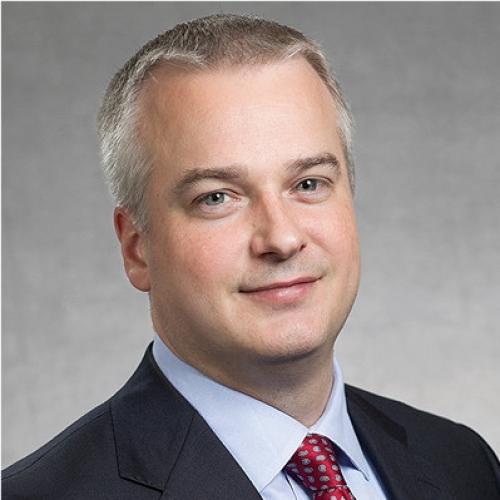
Eric Dittmann
Partner and Co-Chair, IP PracticePaul HastingsTime:09:10am - 09:55amAgenda Track No.:Track 3Session Type:PanelForce Inline Description:0Extraterritorial Trade Secrets: When Global Operations Create U.S. Litigation Risk
Trade secret disputes increasingly involve conduct, data, and teams outside the U.S. In-house teams are finding that trade secret theft that appears “foreign” can still trigger U.S. litigation, while non-US data, employment, and disclosure rules can significantly limit how companies investigate and respond. Recent court decisions have clarified that the DTSA can reach conduct abroad, materially increasing exposure for global organisations. This session focuses on what extraterritorial trade secret risk looks like in practice and how in-house teams do ityou are adjusting their strategies.
- How the DTSA’s extraterritorial provisions under 18 U.S.C. § 1837 are being applied in practice.
- Lessons from Motorola Solutions v. Hytera (7th Cir. 2024), where U.S. courts allowed DTSA claims tied to foreign conduct and worldwide sales.
- How data protection laws, data localisation, and local employment rules affect investigations and discovery outside the U.S.
- Practical steps companies are taking to manage trade secret risk across global teams, systems, and vendors.
- Review recent cases to learn how companies have successfull
Time:09:55am - 10:45amAgenda Track No.:Track 1Session Type:PanelForce Inline Description:0Skinny Labels and Induced Infringement: Drawing the Line After GSK V. Teva and Amarin V. Hikma
Recent court decisions in Skinny Label cases show that liability increasingly focuses on post-launch conduct and real-world use, not label text alone. A panel of leading in-house counsel and litigators with innovative, biosimilar, and regulatory perspectives will address shifting litigation strategy.
- How branded and biosimilar companies should align legal, regulatory, and commercial behaviour.
- Analyse GSK v. Teva (Coreg) and the evidentiary role of marketing materials, sales conduct, and physician messaging.
- Discuss the original ruling in Amarin Pharma v. Hikma (Fed. Cir. 2024) , and examine the significance of Supreme Court review.
- Clarify evolving boundaries of permissible conduct for medical affairs, market access, and commercial teams.
- Compare with decisions made in other key jurisdictions including Canada and Europe.
Speaker(s):
Chuck Klein
PartnerWinston & Strawn
Daniel Hoppe
PartnerBonabry
Sanjaya Mendis
PartnerMcCarthy Tétrault LLPSanjaya Mendis is a partner and life sciences IP litigator at McCarthy Tétrault LLP based in Toronto, Canada. The IP Litigation group is ranked Band 1 in Chambers and recently received the Patent Litigation Firm of the Year by LMG Life Sciences. Sanjaya handles complex cross-border contentious patent disputes and has represented clients in all levels of Canadian courts, including the Supreme Court. Sanjaya’s recent notable experience includes: Regeneron/Bayer (aflibercept); AbbVie (adalimumab); Merck (sitagliptin); and BMS/Pfizer (apixaban).
Shana Cyr
Head of Patent LitigationBristol Myers Squibb
Viviane Kunisawa
PartnerDaniel LawTime:09:55am - 10:45amAgenda Track No.:Track 3Session Type:TrackForce Inline Description:010:45am - 11:15amNetworking BreakThe Convergence of Intellectual Property: When to Patent and When to Keep it a Trade Secret
In light of recent changes in PTAB practice under new USPTO Director John A. Squires, in-house teams are reassessing disclosure risk, IPR exposure, and long-term enforceability, particularly for manufacturing processes, algorithms, and data-driven know-how. This session focuses on how companies are making these calls in practice, and how patent strategy is directly shaping trade secret risk in later disputes.
- How PTAB institution trends, discretionary denial, and parallel-proceeding strategy are influencing decisions to rely more heavily on trade secrets.
- Where patent specifications, prosecution history, and expert positions have later been used to argue that information was disclosed and no longer secret.
- Managing the risk of over-disclosure in patent filings while preserving meaningful trade secret protection.
- When companies deliberately shift from patenting to trade secret protection over a product’s lifecycle, and what triggers that shift.
Speaker(s):
Erica LoRe
Senior Director, Intellectual Property CounselInvivyd
Damon Gupta
Senior Patent CounselGenentechDamon Gupta is a Director, Patent Counsel at Spark Therapeutics, Inc., a leader in gene therapy and member of the Roche Group. With over a decade of experience in intellectual property (IP) law and a background in molecular biology, Damon advises biotechnology and pharmaceutical companies on patent strategy, IP transactions, and risk mitigation. At Spark, Damon leads efforts to protect proprietary assets, including trade secrets, manage IP disputes, and provides IP support to cross-functional teams, including R&D, manufacturing, and corporate transactions. Damon holds a J.D. from Chicago-Kent College of Law, an M.S. from Baylor College of Medicine, and a B.S. from The Ohio State University.
Time:11:15am – 12:00amAgenda Track No.:Track 1Session Type:TrackForce Inline Description:0Pharma & Biotech Patent Judges Review: Federal Circuit, District Court and European Judges
Gain firsthand insight into how judges from the PTAB and federal courts in key jurisdictions are approaching pharmaceutical and biotech patent disputes. This session offers a rare opportunity to hear directly from the decision-makers on litigation strategy, evidentiary expectations, and what most influences outcomes in complex patent cases.
Speaker(s):
Klaus Grabinski
Honorable Judge & President of the Court of AppealsUnified Patent Court (UPC)Time:11:15am – 12:00pmAgenda Track No.:Track 3Session Type:TrackForce Inline Description:0Presentation: Recent U.S. Trade Secret Decisions - Reasonable or Not?
Join this session for a review of recent trade secret cases and outcomes across key jurisdictions in the US and further afield; examine how reasonable measure standards have evolved, and what courts are now accepting.
Speaker(s):
William Logan
PartnerWinston & StrawnTime:12:00pm - 12:20pmAgenda Track No.:Track 1Session Type:TrackForce Inline Description:0Interactive Presentation: A Data Led Review of Settlement Strategy and Outcomes in Pharma Patent Disputes
This presentation uses litigation and settlement data to examine how patent type, timing, and strategy influence settlement outcomes, retained exclusivity, and overall leverage across pharma patent litigation.
Time:12:00pm – 12:20pmAgenda Track No.:Track 3Session Type:TrackForce Inline Description:0Debate: After Ten Years, Does the Defend Trade Secrets Act Need Reform?
Ten years on from the enactment of the DTSA, trade secret law has become a core pillar of U.S. IP enforcement. Over that period, courts have clarified key aspects of the statute, including reasonable measures, extraterritorial reach, damages, and the interaction between federal and state trade secret claims. At the same time, in-house counsel, litigators, and policymakers have increasingly questioned whether the DTSA is operating as originally intended, or whether targeted reform is now needed to address cost, overreach, and changing business realities. This debate will assess whether the DTSA remains fit for purpose as it enters its second decade.
- How DTSA jurisprudence has evolved since 2016, including court treatment of reasonable measures and trade secret identification.
- Concerns around litigation cost, discovery burden, and overbroad claims in modern DTSA cases.
- How courts are applying the DTSA’s extraterritorial provisions under 18 U.S.C. § 1837.
- Whether recent enforcement outcomes and damages awards align with congressional intent.
- Review the Uniform Law Commission’s Drafting Committee’s decisions in updating the Uniform Trade Secrets Act (UTSA).
Speaker(s):
Ken Corsello
US Trade Secrets Counsel / Patent Licensing CounselIBM CorporationKen Corsello is an IP Law Counsel at IBM. He currently focuses on drafting and negotiating patent licenses and assignment agreements. At IBM, he has worked on patent procurement, litigation, client counseling, product clearance, and IP transactional matters.
Before joining IBM, Ken was a law clerk to Chief Judge Glenn Archer at the Federal Circuit; an Associate Solicitor in the USPTO; and in private practice at law firms in Washington, D.C. He did his undergraduate work in Computer Science at SUNY Stony Brook, received his JD from the Catholic University, and obtained an LL.M. from George Washington University.
Ken has been the chair of IPO’s Trade Secrets Committee since 2016. His recent presentations on trade secret law include participating in a panel at the USPTO’s “Trending Issues in Trade Secrets: 2019” symposium and as a witness on behalf of IPO at the 2018 hearing on “Safeguarding Trade Secrets in the United States” held by the U.S. House Committee on the Judiciary, Subcommittee on Courts, Intellectual Property, and the Internet.
Time:12:20pm - 13:05pmAgenda Track No.:Track 1Session Type:TrackForce Inline Description:0Strategic Review: End-To-End Hatch- Waxman Litigation
Hatch-Waxman case outcomes are often decided by early choices that shape risk, cost, and leverage long before trial. This session offers a structured review of how companies are building and defending Hatch-Waxman cases, from the first Paragraph IV notice through to final judgement.
- Identify strategic decision points from Paragraph IV notice to trial, and where early decisions most influence outcomes.
- Review recent key Hatch-Waxman cases, such as Jazz Pharmaceuticals, Inc. v. Avadel CNS Pharmaceuticals, LLC (Fed. Cir. 2025), and Jazz Pharmaceuticals, Inc. v. Avadel CNS Pharmaceuticals, LLC (Fed. Cir. 2025); examine how their outcomes have influenced litigation strategy.
- Managing evidence, discovery scope, and expert strategy.
- Compare US Hatch-Waxman litigation strategy to parallel approaches in Canada and other key jurisdictions, including differences in timing, remedies and leverage.
Speaker(s):
Jim Harrington
Chief Intellectual Property CounselVera Therapeutics
Laura Chubb
Director – Global IP LitigationOrganonTime:12:20pm – 13:05pmAgenda Track No.:Track 3Session Type:TrackForce Inline Description:013:05pm - 14:05pmNetworking LunchRegistration
Time:14:00pm – 14:05pmAgenda Track No.:Track 2Session Type:RegistrationForce Inline Description:0Chair’s Introduction to Tech & Innovation Patent Litigation
Agenda Track No.:Track 2Session Type:General Session (Presentation)Force Inline Description:0Tech Judges’ Panel: District, Federal and European Judges Review
This judges’ panel offers candid insight into how courts approach patent disputes involving complex technologies, including software, electronics, and standards-based products. Drawing on recent decisions and, judges from key US jurisdictions will discuss what most influences outcomes from claim construction and technical tutorials to expert testimony and damages models.
Speaker(s):Klaus Grabinski
Honorable Judge & President of the Court of AppealsUnified Patent Court (UPC)
Martin McGee
Honorable JudgeState of North Carolina, Judicial DistrictTime:14:10pm - 14:55pmAgenda Track No.:Track 2Session Type:TrackForce Inline Description:0The PTAB Today: How Policy Shifts are Reshaping Invalidity Strategy
Under Director Squires’ leadership, the PTAB has seen reduced reliance on discretionary denials and a recalibrated role for inter partes review. This session brings together former PTAB faculty and experienced PTAB litigators to examine how institution standards are being applied in practice, why certain challenges are proving less viable than before, and when alternatives such as ex parte re-examination may offer a more effective path.
- Why challengers are re-assessing IPR risk and turning to ex parte re-examination, including trade-offs around timing, estoppel, and examiner workload.
- How patent owners are using PTAB uncertainty to influence parallel litigation and settlement leverage.
- Practical guidance on selecting and sequencing invalidity tools in the current PTAB environment
- Consider venues in alternative jurisdictions such as the EPO and UPC.
Speaker(s):
Deborah Sterling
DirectorSterne Kessler
Ryan Daniel
Associate General CounselFresenius Kabi
Victoria Reines
Principal CounselSanofiTime:14:05pm - 14:55pmAgenda Track No.:Track 3Session Type:TrackForce Inline Description:0Keynote: USPTO Perspectives on Patent Policy, the PTAB, and Tech Innovation
In this fireside conversation, a senior USPTO official discusses current patent policy priorities, PTAB practice, and how the Office is approaching emerging technologies and global enforcement pressures.
Time:14:55pm – 15:15pmAgenda Track No.:Track 2Session Type:TrackForce Inline Description:0Dual Dialogue: Preparing for 505(b)(2) Filings - Defending Against “Similar but Different” Entrants
The rise of the 505(b)(2) pathway is changing how branded pharmaceutical and biotech companies approach lifecycle management and litigation. Unlike ANDA generics, 505(b)(2) applicants can enter earlier with differentiated products while relying on branded data, creating a hybrid competitive threat that often falls outside traditional Orange Book assumptions. Join this workshop to hear a discussion around defence strategies from a panel of experts from the generic and innovator industries.
- How in-house teams can identify and defend against 505(b)(2) challenges.
- Distinguish ANDA generics from 505(b)(2) applicants and the implications for defence strategy.
- Identify early warning signs through development activity, regulatory engagement, and competitor monitoring.
- Analyse how formulation, dosing, and delivery changes are used to avoid listed patents.
Speaker(s):
Chris Slavinsky
Chief Legal OfficerInnovo ResearchTime:14:55pm – 15:15pmAgenda Track No.:Track 3Session Type:TrackForce Inline Description:0AI in Intellectual Property: Case Studies, Lessons Learned, and What Comes Next
From MedTech devices and AI-enabled hardware to cloud platforms and AI drug discovery, AI technologies are increasingly central to inventorship and innovation across sectors. As AI becomes embedded in regulated medical technologies such as Software as a Medical Device (SaMD) and AI-enabled diagnostics, new evidentiary and regulatory considerations are emerging in patent disputes. This session reviews recent AI-related patent cases and examines how courts are shaping litigation and portfolio strategy going forward.
- How are parameters around patent eligibility evolving in AI cases.
- How litigation strategy and outcomes vary across a range of tech sectors including AI-enabled hardware, software, multifunction innovation products and MedTech.
- Address new evidentiary and regulatory considerations for handling AI in regulated technologies such as SaMD.
- How are infringement theories are being used in AI patent litigation.
- A review of recent cases like Nueral AI, LLC v. NVIDIA Corp., and Solos Technology’s complaint against Meta and EssilorLuxottica.
Speaker(s):
Erin Bell
Senior Corporate CounselPremier IncMartin McGee
Honorable JudgeState of North Carolina, Judicial District
Nirav Desai
PartnerSterne Kessler
Rama Elluru
Senior Advisor for AI Governance and Intellectual PropertySpecial Competitive Studies ProjectAgenda Track No.:Track 2Session Type:TrackForce Inline Description:0Venue Strategy in Life Sciences: ITC, UPC, Brazil & Multi-Forum Enforcement
As life sciences patent disputes increasingly span multiple jurisdictions and rely on a wider range of venues beyond the traditional US forums, litigation in the ITC, UPC and Brazil are becoming increasingly viable options. This session compares the benefits of these jurisdictions and sequencing forums to maximise leverage, manage risk, and protect market access across the ITC, UPC and Brazil.
- Deciding between the ITC, UPC, and Brazil based on speed, remedies, and procedural posture.
- When ITC Section 337 actions provide strategic advantage alongside or instead of Hatch-Waxman or BPCIA litigation.
- How the UPC and Brazilian courts offer injunction pressure unavailable in US proceedings.
- How venue choice affects discovery scope, timing, and settlement leverage in pharma and biologics patent disputes.
- Coordinating US, European, and Brazilian actions to manage estoppel, delay, and strategic enforcement.
Speaker(s):
Eduardo Hallak
PartnerLicks AttorneyEduardo Hallak is one of the founding partners at Licks Attorneys and one of our leaders at the Sao Paulo office. For more than a decade, he has been working as a litigator before state and federal courts in Brazil in several complex disputes and leading cases involving Patent law, competition, and regulatory compliance, most of them pursuing the interests of clients in the area of life sciences. He also has extensive practice in trademark litigation as well as technology transfer contracts, working together with multinational clients to establish strong brand protection and licensing programs in the country. Mr. Hallak also currently teaches IP litigation in the Post-Graduation course at the prestigious Pontifical Catholic University of Rio de Janeiro (PUCRJ), has taught Civil Procedure at the at the Brazilian Association of IP Agents (ABAPI), and is often invited to lecture on procedural and strategic aspects of IP litigation, in addition to being a member of the Special Commission on Mediation of the Rio de Janeiro Chapter of the Brazilian Bar Association (OABRJ) and the Enforcement Committee of INTA.

Molly Grammel
PartnerGoodwin Procter LLPTime:15:15pm - 16:00pmAgenda Track No.:Track 3Session Type:TrackForce Inline Description:016:00pm – 16:30pmNetworking break16:30pm – 18:15pmRoundtablesEx Parte Re-Examination Tactics
How and when to use ex parte re-examination to narrow or reshape asserted claims, weaken infringement theories, and create leverage without the visibility or estoppel risks of IPR.
Agenda Track No.:Track 2Session Type:BreakoutForce Inline Description:0Litigation Funding Pressure Points
How defendants identify funded cases in practice and adjust timing, motion strategy, and settlement posture to exploit funder economics and decision constraints.
Agenda Track No.:Track 2Session Type:Break / NetworkingForce Inline Description:0Claim Construction in Platform and Ecosystem Products
Claim construction strategy for complex product ecosystems, where alleged infringement spans hardware, software, cloud services, and third-party components.
Speaker(s):
Peter Flora
Chief of IPAngioDynamicsAgenda Track No.:Track 2Session Type:Break / NetworkingForce Inline Description:0Managing Patent Risk in Continuous Software Releases
Practical challenges in assessing infringement, preserving evidence, and aligning litigation strategy when products evolve through frequent updates and feature releases.
Agenda Track No.:Track 2Session Type:Break / NetworkingForce Inline Description:0Structuring Settlements in Multi-Product Tech Disputes
How companies design settlements that address multiple products and patents while managing future releases, portfolio scope, and downstream risk.
Agenda Track No.:Track 2Session Type:Break / NetworkingForce Inline Description:0Litigating in Brazil: Why it’s Becoming a Strategic Becoming a Strategic Venue for Tech Patent Disputes
How and why US-based companies are using Brazilian litigation as part of their cross-border enforcement and settlement strategies, including the ease of injunctions, speed and increasing success in tech-based cases.
Speaker(s):Agenda Track No.:Track 2Session Type:Break / NetworkingForce Inline Description:0Medtech IP Strategy & Exchange: When to Patent & When to Rely on Trade Secrets
How MedTech companies decide when to patent device innovation and when to rely on trade secret protection, balancing enforcement leverage, disclosure risk, and reverse engineering realities.
Speaker(s):Eda Stark
Global IP Transactions & Litigation Managing CounselOlympus
Gabriel Olander
Associate GC, IP StrategyIntuitiveAgenda Track No.:Track 2Session Type:Break / NetworkingForce Inline Description:0Medtech IP Strategy & Exchange: SEP & Connected Devices
How MedTech companies assess exposure to standard essential patents as connectivity standards become embedded in devices, including licensing strategy and litigation risk.
Agenda Track No.:Track 2Session Type:Break / NetworkingForce Inline Description:0MedTech IP Strategy & Exchange: Patent Prosecution Takeaways from Ensuing Litigation
How patent disputes reveal weaknesses in claim drafting and specification support, and how litigation outcomes are reshaping prosecution strategy for device portfolios.
Agenda Track No.:Track 2Session Type:Break / NetworkingForce Inline Description:0Choosing Not to Enforce: When Walking Away is the Right Decision
A practical discussion on how in-house teams decide not to sue despite apparent infringement. Focused on risk, cost, precedent, and internal decision-making rather than legal theory.
Agenda Track No.:Track 3Session Type:Break / NetworkingForce Inline Description:0Patent Litigation in India: Enforcement Strategy in a Manufacturing-Driven Market
A focused look at litigating patents in India where manufacturing scale, pricing pressure, and public-interest arguments materially affect outcomes.
Agenda Track No.:Track 3Session Type:Break / NetworkingForce Inline Description:0Manufacturing Reality Vs Patent Theory: When How a Product is Made Drives the Case
Discuss disputes where manufacturing processes, scale, or technical constraints ultimately dictated infringement and validity outcomes.
Agenda Track No.:Track 3Session Type:Break / NetworkingForce Inline Description:0Second-Wave Entrants: Litigation Strategy After the First Generic or Biosimilar Launch
How enforcement, settlement posture, and leverage change once the first generic or biosimilar has already entered the market.
Agenda Track No.:Track 3Session Type:Break / NetworkingForce Inline Description:0Comparison of US V Canadian Methods of Medical Treatment and Dosage Case Law: Reviewing the Janssen V. Pharmascience Decision
How the Canadian and American court system deals with medical treatment and dosage cases, including Janssen Inc. v. Pharmascience Inc. (Supreme Court of Canada).
Agenda Track No.:Track 3Session Type:Break / NetworkingForce Inline Description:0Insights from the IGBA Study on Evergreening and EU Regulatory Reforms
Explore how evergreening strategies and recent EU regulatory reforms are shaping competition, access, and patent lifecycle management across the pharmaceutical landscape.
Speaker(s):
Sergio Napolitano
General Counsel & Executive Director, Legal & International AffairsMedicines for EuropeAgenda Track No.:Track 3Session Type:Break / NetworkingForce Inline Description:0Assignor Estoppel in Biotech: When a Patent is Enforceable Only Against You
Discuss how assignor estoppel shapes litigation strategy for biotech companies facing founder-originated patents, and discover the most effective defence, settlement, and risk management strategies.
Agenda Track No.:Track 3Session Type:Break / NetworkingForce Inline Description:0Formulation, Delivery, and Route-of- Administration Patents
Examine how branded and biosimilar companies build, litigate, and defend formulation and delivery patents as core composition claims expire and these assets become the last line of exclusivity.
Speaker(s):
Lachlan Campbell-Verduyn
PartnerPatterson Belknap
Andrew Cohen
PartnerPatterson BelknapAgenda Track No.:Track 3Session Type:Break / NetworkingForce Inline Description:0The UK, the UPC, and the EPO: Building a Coordinated European Litigation Strategy
Discuss the strategic deployment of European litigation venues for US pharma companies, including the UK High Court litigation, UPC proceedings and EPO
9
All information is kept strictly confidential. Please do not distribute.
Please contact: [email protected] for further information.
oppositions, and compare the impacts on injunction risk, cost exposure, and global settlement dynamics.Speaker(s):
Oliver Laing
PartnerPotter Clarkson
Mark Didmon
PartnerPotter & ClarksonAgenda Track No.:Track 3Session Type:Break / NetworkingForce Inline Description:0Safe Harbor Strategy Review: Using §271(e) (1) in Pharma Patent Litigation
Agenda Track No.:Track 3Session Type:Break / NetworkingForce Inline Description:0Your Next Rodeo: Strategic Preparation for Life-Science Patent Litigation
Discuss how life sciences companies prepare for future patent disputes by refining early-stage litigation strategy, anticipating procedural risk, and strengthening internal readiness to improve outcomes.
Speaker(s):
John Cox
PartnerBarnes & ThornburgWith deep knowledge of issues facing the life sciences industry, John Cox counsels clients regarding their worldwide intellectual property rights and represents their patent interests when litigation arises, particularly regarding pharmaceutical, chemical, and biotechnology matters. John takes his role in protecting these important assets of life science innovators very seriously while approaching each matter with enthusiasm.
Through his ability to communicate effectively and succinctly, John advises on, develops, and carries out global IP strategies for the benefit of innovative companies, his clients, who are focused on developing core assets that save and improve the lives of patients. John enjoys leveraging his unique ability to put together targeted and enduring teams for each matter – paying close attention to each person’s strengths and skillsets and how they fit with one another, alongside his highly specialized experience and thoughtful and responsive nature.
John is intimately familiar with the pharmaceutical industry, having dealt with patent and IP subject matter ranging from brain chemistry, the gastrointestinal system, drug delivery systems and treatments of rare diseases and cancer to medical diagnostic methods, the generation of biofuel using bacteria, and processes for manufacturing chemicals and pharmaceutical products. He also has almost two decades of experience in Abbreviated New Drug Application (ANDA) cases, including pre-litigation investigations.John offers guidance from the first step of a matter through to resolution, including all aspects of litigation. He has extensive experience related to discovery and motion practice, as well as in developing offensive and defensive strategies. He is well versed in dealing with complex subject matter and technical witnesses, such as inventors and experts.
John adeptly helps clients navigate the crossroads of foreign business practices and the complexities of U.S. patent practice, having worked with foreign pharmaceutical, chemical, and biotechnology companies throughout his career.
Lauren Baker
AssociateBarnes & ThornburgAgenda Track No.:Track 3Session Type:Break / NetworkingForce Inline Description:018:15pm - 18:20pmChair’s Closing Remarks18:20pm - 19:30pmNetworking drinks -
IP Litigation I Day Three: Wednesday, 16 Sep, 20268:00am – 8:45am
Cross-Sector Presentation: Doctrine of Equivalents Review
Recent Federal Circuit decisions are applying tighter limits to doctrine-of-equivalents arguments in pharma and biotech cases. This presentation explores where equivalence claims still succeed and how litigants are adjusting enforcement and design-around strategies accordingly.
Agenda Track No.:Track 2Session Type:PanelForce Inline Description:0Medtech Morning: Invite-Only Medtech Leadership Breakfast
Sitting at the intersection of technology and healthcare, MedTech faces a distinct set of IP litigation challenges. This MedTech Leadership Breakfast brings senior IP MedTech leaders together to discuss the litigation risks specific to the sector and to benchmark strategy and best practices with peers.
Agenda Track No.:Track 2Session Type:PanelForce Inline Description:0Cross-Sector Presentation: Doctrine of Equivalents Review
Recent Federal Circuit decisions are applying tighter limits to doctrine-of-equivalents arguments in pharma and biotech cases. This presentation explores where equivalence claims still succeed and how litigants are adjusting enforcement and design-around strategies accordingly.
Agenda Track No.:Track 3Session Type:PanelForce Inline Description:0Medtech Morning Invite - Only Medtech Leadership Breakfast
Sitting at the intersection of technology and healthcare, MedTech faces a distinct set of IP litigation challenges. This MedTech Leadership Breakfast brings senior IP MedTech leaders together to discuss the litigation risks specific to the sector and to benchmark strategy and best practices with peers
Agenda Track No.:Track 3Session Type:PanelForce Inline Description:09:00am – 9:10amChair recaps day one and introduces day twoLitigation Challenges in the Medtech Sector: Regulatory Entanglement, NPEs & Competitor Suits
This session provides a practical discussion on patent litigation trends and challenges in the MedTech sector, including NPE risk, competitor suits, and the litigation constraints created by regulatory frameworks. As devices increasingly integrate software, connectivity and AI, regulatory submissions, clinical data, and product approvals are becoming central to discovery, infringement theories, and evidentiary strategy in patent disputes. In this session, we will explore how these dynamics are shaping MedTech litigation strategy and what in-house counsel can do to prepare.
- Why NPEs are increasingly targeting MedTech companies, particularly
- Where devices incorporate software, connectivity, and third-party technologies.
- How regulatory evidence shapes litigation strategy, including the role of FDA submissions, clinical trial data, and regulatory timelines.
- The litigation challenges created by AI-enabled and software-driven devices, particularly around technical evidence, product functionality, and compliance with regulatory frameworks.
Speaker(s):
Bobby Hampton
Assistant IP CounselHologic
Denise Lane
Senior VP & Global IPOlympus
Gael Tisack
Chief IP CounselAbbottAgenda Track No.:Track 2Session Type:TrackForce Inline Description:0Early Stage Patent Litigation Strategy: The First 90 Days
This interactive session walks attendees through the critical early-stage decisions that shape pharmaceutical and biotech patent litigation long before trial or settlement discussions begin. Using realistic case studies, panellists will react in real time to litigation and business pressures, allowing the audience to benchmark their own instincts against experienced in-house and outside counsel perspectives.
- How companies decide where to litigate first (district court, PTAB, ITC, or parallel paths).
- Early forum strategy trade-offs, including cost, speed, and leverage.
- What evidence must be preserved immediately - and what is often missed.
- How early litigation decisions affect settlement leverage, investor messaging, and payer dynamics.
Speaker(s):
David Schramm
Head of US IP LitigationBayer
Stephanie Lollo Donahue
Head of Global Patent LitigationSanofiTime:9:10am – 10:00amAgenda Track No.:Track 3Session Type:TrackForce Inline Description:0Cross Sector – Leveraging Preliminary Injunctions for Faster Protection: When and Where to File
Join this session to hear litigators across pharma, biotech, MedTech and technology discuss how courts are deciding preliminary injunctions in recent patent cases. The workshop focuses on when to best leverage preliminary injunctions and compares outcomes and strategy across different key jurisdictions.
- Review initial preliminary injunction outcomes from the UPC, and compare preliminary injunction success across key jurisdictions, including the UK, Canada, Brazil, and Germany.
- Consider how DOJ and PTO statements of interest, such as in Radian Memory System, LLC v. Samsung Electronics Co. (E.D. Texas), may influence preliminary injunction strategy in the US.
How preliminary injunction strategy plays out in MedTech disputes, including cases such as Insulet Corp. v. EOFlow Co. (D. Mass. 2023), where injunctions can hinge on regulatory status, product launch timing, and supply disruption in device markets.Time:10:00am – 10:45amAgenda Track No.:Track 2Session Type:TrackForce Inline Description:0Damages in Pharma & Biotech Litigation: What Courts are Accepting Now
Courts are applying heightened scrutiny to damages theories in pharmaceutical and biotech patent disputes, requiring closer alignment with regulatory realities, real-world market behaviour, and contemporaneous internal documents. This session explores how in-house teams and litigators are adjusting damages strategy in light of changing acceptance around lost-profits and reasonable-royalty analysis.
- How to prove but-for causation where launch timing, labelling, or market access is uncertain (Amarin v. Hikma, 2024; Jazz v. Avadel, 2023-2024).
- When to rely on internal forecasts and marketing records to test expert damages opinions (GSK v. Teva, 2021; Acorda v. Roxane, 2019).
- Using damages analysis to guide settlement strategy and risk communication.
Speaker(s):Damon Gupta
Senior Patent CounselGenentechDamon Gupta is a Director, Patent Counsel at Spark Therapeutics, Inc., a leader in gene therapy and member of the Roche Group. With over a decade of experience in intellectual property (IP) law and a background in molecular biology, Damon advises biotechnology and pharmaceutical companies on patent strategy, IP transactions, and risk mitigation. At Spark, Damon leads efforts to protect proprietary assets, including trade secrets, manage IP disputes, and provides IP support to cross-functional teams, including R&D, manufacturing, and corporate transactions. Damon holds a J.D. from Chicago-Kent College of Law, an M.S. from Baylor College of Medicine, and a B.S. from The Ohio State University.
Agenda Track No.:Track 3Session Type:TrackForce Inline Description:010:45am – 11:15amNetworking BreakCross-Border Litigation Strategy for US Tech Companies: Using Global Forums to Drive Leverage and Resolution
For US-based in-house teams, patent disputes are increasingly shaped by what happens in key jurisdictions abroad. Actions in the UPC, the UK, and China are now being used deliberately to influence injunction risk, royalty negotiations, and settlement outcomes in US-led disputes. For MedTech companies, cross-border disputes often intersect with regulatory approvals and global device supply chains, adding additional strategic considerations. This session focuses on how US legal teams and their counsel are integrating global forums into their overall litigation and licensing strategy.
- When and where to consider cross-border litigation in tech patent cases.
- How US-based teams are using UPC litigation in cases such as ParTec v. NVIDIA to create early leverage and pressure global settlement.
- When injunction risk in Europe meaningfully alters the US damages-focused analysis, and how US teams factor in that risk.
- How court-led rate setting in the UK (global FRAND determinations) and China (manufacturing and sales-based jurisdictional leverage) is used by US companies to narrow valuation gaps and restart stalled negotiations.
Speaker(s):
Ben Ostapuk
Chief Legal OfficerPegasystems
Paul Zeineddin
PartnerBlank RomeRob Rodrigues
PartnerRNA lawTime:11:15am – 12:00pmAgenda Track No.:Track 2Session Type:TrackForce Inline Description:0Litigation Readiness For Acquired Products
Products acquired through M&A often face litigation without the institutional knowledge needed to defend them. Inventors may be gone, records incomplete, and invention stories fragmented - all of which become critical weaknesses once litigation begins. This presentation will provide practical insight on how to prepare acquired products for litigation before disputes arise.
Speaker(s):
Andrea Tiglio
Exec Director, Assistant GC of IPJazz PharmaceuticalsErin Bell
Senior Corporate CounselPremier Inc
Kassie Helm
PartnerDechert
Raymond Parker
Vice President - Global Lead IP Dispute ResolutionBioNtechTime:11:15am – 12:00pmAgenda Track No.:Track 3Session Type:TrackForce Inline Description:0When the ITC Makes Sense for Tech Disputes
As PTAB challenges have become harder to initiate and sustain, this session considers when and how this could be used for plaintiffs and defendants. In sectors like MedTech, where device manufacturing, component supply chains, and the importation of medical technologies are central to disputes, the ITC can present a particularly strategic forum. This session examines when Section 337 investigations offer real strategic advantage, and when their speed and remedies create more risk than value.
- How and when the ITC offers strategic advantages over other forums.
- How parties are sequencing ITC investigations with PTAB proceedings and district court actions, in light of discretionary denial risk and parallel-proceeding dynamics.
- How SEP and FRAND arguments are treated at the ITC, including limits on injunctive relief, public-interest considerations, and how these issues affect leverage for both implementers and SEP holders.
- Compare outcomes of tech disputes at the UPC and ITC; review recent decisions and consider the benefits the UPC’s higher injunction rates.
Speaker(s):
Andrew Kopsidas
PartnerBlank RomeTime:12:00pm – 12:45pmAgenda Track No.:Track 2Session Type:TrackForce Inline Description:0Biologics Patent Litigation: A Review of How Disputes are Shifting, and Strategy is Adapting
Biologics litigation is evolving beyond classic biosimilar disputes, driven by higher-value products, an uptake in branded-vs-branded disputes, and growing injunction risk. This session brings together leading litigators and in-house counsel to examine how strategy is changing.
- How biologics disputes are starting earlier and outside traditional biosimilar timelines, (e.g. Novo Nordisk v. Eli Lilly), and what this means for launch and portfolio strategy.
- Examine the rise of branded-vs-branded cases like Alnylam Pharmaceuticals, Inc. v. Moderna, Inc., and how innovator enforcement and defence strategies are adapting.
- Review recent BPCIA cases and outcomes, including Hikma/Richter v. Amgen.
- Consider parallel proceedings in Europe and other jurisdictions and examine how they’re increasingly shaping U.S. biologics litigation decisions.
Speaker(s):
Nicole Clouse
VP & Head of IPGenerate Biomedicines
Katie Nolan Stevaux
Assistant General CounselGenentechTime:12:00pm – 12:45pmAgenda Track No.:Track 3Session Type:TrackForce Inline Description:012:45pm – 13:45pmNetworking LunchStandard Essential Patent Disputes: Licensing, Litigation, and Royalty Strategy
SEP disputes continue to shape the US tech patent landscape, dominated by discussions over fair rate settings and royalty negotiations. Disputes often focus on whether parties will take a licence and on what terms, with litigation being used to apply pressure, test valuation positions, and move stalled negotiations forward. In this session, we will cover how these disputes are playing out and how companies are using litigation to shape outcomes.
- How SEP holders and implementers decide when to license, litigate, or hold out, and how US litigation strategy is shaping royalty outcomes.
- Review how rate setting negotiations play out, and how the interpretation of fair rates is evolving.
- How parallel enforcement, including actions in Brazil, is used to increase pressure and break stalled negotiations.
- How streaming platform disputes (e.g. DivX v. Netflix / Amazon) demonstrate the use of litigation to force royalty discussions and resolve holdout.
- The role of codec technologies (HEVC, VVC, AV1, AAC) and implementation patents in shaping SEP licensing and enforcement strategy.
Speaker(s):Eduardo Hallak
PartnerLicks AttorneyEduardo Hallak is one of the founding partners at Licks Attorneys and one of our leaders at the Sao Paulo office. For more than a decade, he has been working as a litigator before state and federal courts in Brazil in several complex disputes and leading cases involving Patent law, competition, and regulatory compliance, most of them pursuing the interests of clients in the area of life sciences. He also has extensive practice in trademark litigation as well as technology transfer contracts, working together with multinational clients to establish strong brand protection and licensing programs in the country. Mr. Hallak also currently teaches IP litigation in the Post-Graduation course at the prestigious Pontifical Catholic University of Rio de Janeiro (PUCRJ), has taught Civil Procedure at the at the Brazilian Association of IP Agents (ABAPI), and is often invited to lecture on procedural and strategic aspects of IP litigation, in addition to being a member of the Special Commission on Mediation of the Rio de Janeiro Chapter of the Brazilian Bar Association (OABRJ) and the Enforcement Committee of INTA.
Time:13:45pm – 14:30pmAgenda Track No.:Track 2Session Type:TrackForce Inline Description:0Combination Drugs and Patent Strategy: Avoiding Gaps in Protection
Combination drug products pose unique challenges across jurisdictions when seeking approval, patent protection, patent listing, and enforcement. These risks arise as formulation, dosing, or regulatory classification diverge from single-entity assumptions. A panel of in-house counsel and experienced litigators will examine how these issues play out in practice, strategies for protecting exclusivity, and managing biosimilar or generic challenges.
- Examine recent developments in protecting combination products, such as Orange Book listing strategy, infringement theories, and lifecycle planning.
- Identify patent listing and claim scope vulnerabilities unique to combination products.
- Examine recent developments in combination drug protection including portfolio strategy and lifecycle planning.
- Evaluate the plausibility and prior art challenges of combination products in clinical trials.
- Assess enforcement options when approval pathways and infringement theories do not align.
Speaker(s):
Eva Ehlich
PartnerMaiwald
Don Huddler
Assistant General CounselGSK
Nicole Mastrangelo
IP CounselThe Broad Institute of MIT & Harvard
Nitin Virmalwar
VP Legal & Head of IPStoke TherapeuticsTime:13:45pm – 14:30pmAgenda Track No.:Track 3Session Type:TrackForce Inline Description:0Panel Debate: Reforming Patent Damages in Tech Litigation
Damages remain a key driver of uncertainty in tech patent disputes. This debate explores practical ways damages analysis is evolving and where targeted reforms could improve predictability and settlement outcomes.
- Reasonable royalty and apportionment lessons from cases such as Ericsson v. D-Link and VirnetX.
- Use of comparable licences and portfolio evidence in complex tech products.
- Judicial gatekeeping and procedural tools shaping damages outcomes.
- Practical reforms that could improve damages predictability in tech cases.
Speaker(s):
Dan Sternberg
IP CounselBose Corporaration
Tom Brown
Senior Managing Legal Director, Head of Intellectual Property LitigationDellTime:14:30pm – 15:15pmAgenda Track No.:Track 2Session Type:TrackForce Inline Description:0Orange Book Listing Strategy and Emerging Antitrust Risk
Orange Book listing decisions are coming under increasing scrutiny from both regulators and the courts, placing them at the centre of Hatch-Waxman disputes and a growing wave of antitrust litigation. As challenges over whether certain patents were appropriately listed increase, innovator companies must strike a careful balance between maximising lifecycle protection and avoiding competition law exposure. This session will explore how Orange Book strategy is evolving in response to heightened regulatory oversight and antitrust theories.
- Examine how companies determine which patents meet FDA criteria for Orange Book listing.
- Analyse recent cases and disputes where Orange Book listings have been contested.
- Explore how plaintiffs and regulators are framing Orange Book conduct as anticompetitive, including claims tied to sham listings, monopolisation, and misuse of the Hatch-Waxman framework.
- Review the increasing role of the FTC, including warning letters, enforcement actions, and policy statements, alongside the rise in private antitrust litigation targeting listing practices.
Time:14:30pm – 15:15pmAgenda Track No.:Track 3Session Type:TrackForce Inline Description:015:00pm – 15:15pmClosing Remarks from Chair
Jump to: Monday, 14 Sep | Tuesday, 15 Sep | Wednesday, 16 Sep