When trade secrets are misappropriated, companies face an early decision that can define the entire outcome of a dispute: whether to pursue civil litigation, seek arbitration, or involve the Department of Justice. This fireside session is led by a senior DOJ official and focuses on how these decisions are made in practice, including what the DOJ looks for when assessing potential trade secret cases and how those considerations should shape in-house strategy from day one.
- How DOJ evaluates trade secret theft referrals, including evidence quality, victim cooperation, and jurisdictional factors.
- When arbitration or civil litigation may be more effective than criminal referral.
- Cost, disclosure, and control trade-offs across arbitration, court proceedings, and DOJ involvement.
- How early choices affect leverage, timing, and the ability to pursue parallel proceedings.
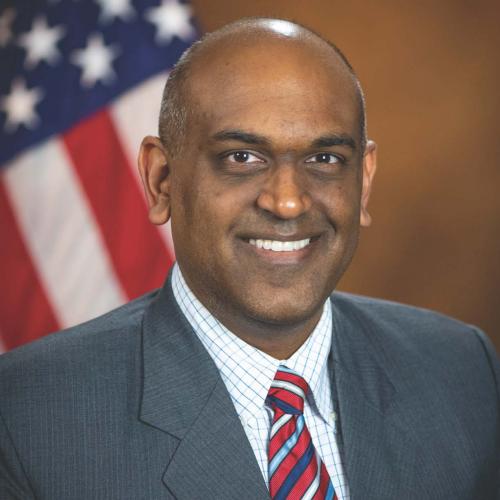
Anand Patel
Anand B. Patel is Senior Counsel in the Computer Crime and Intellectual Property Section at the Department of Justice. He investigates and prosecutes trade secrets theft, ransomware attacks, and computer intrusions. Mr. Patel teaches Trade Secrets Law at the George Washington University Law School. Before joining the Department, Mr. Patel spent a decade as an attorney at Paul Hastings LLP, where he handled all facets of disputes involving trade secrets. He previously served as law clerk to the Honorable William Bryson of the U.S. Court of Appeals for the Federal Circuit. Mr. Patel graduated from UVA School of Law and MIT.